
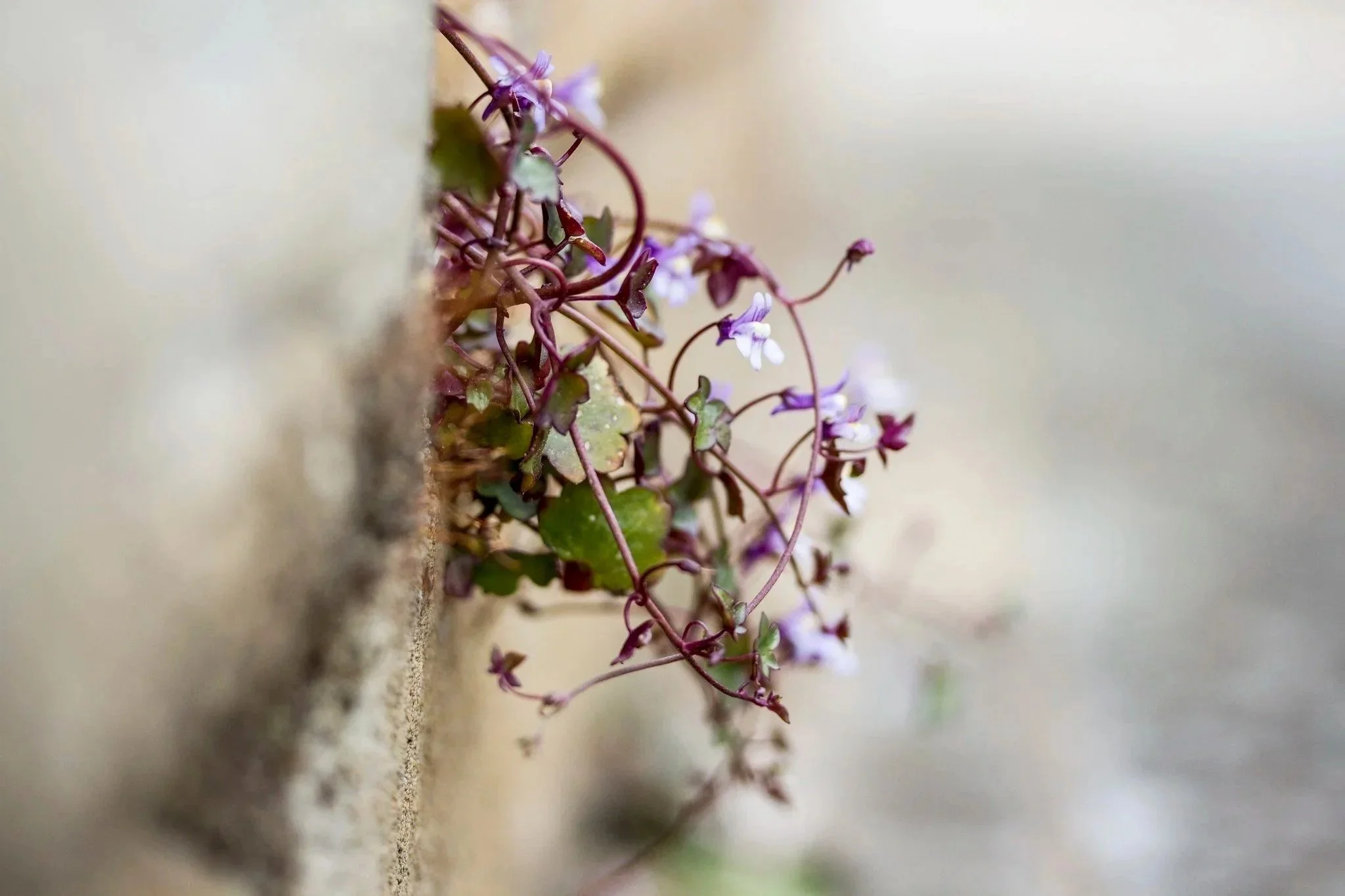
Survival personality is developed to survive in a nonempathic environment.
John Firman
For most of us, the survival personality is our starting point—a response to the implicit and explicit demands of our family, culture, and society. While our authentic self is rooted in natural, spontaneous expression, the survival personality is shaped to meet external expectations.
In truth, our growth is rarely smooth or predictable. It is part of the human experience. The idea of perfect parents or a flawless environment remains more of an ideal than a reality.
Early Adaptation and the Need for Connection
As young children, we arrive helpless and deeply dependent. We rely on our caregivers not only for physical survival, but for emotional connection. At that stage, the absence of love or care can feel like an existential threat.
From this place, we develop a natural drive to secure love and approval. We begin to sense what is acceptable and what may risk disconnection. Gradually, we adjust ourselves. We show what is welcomed and conceal what may not be.
The Formation of the Survival Personality
Over time, we learn to reveal only what feels safe—what helps us belong and remain connected. This selective expression shapes what can be called the survival personality: a version of ourselves adapted to fit in, to avoid rejection, and to meet expectations.
At the same time, aspects of ourselves that feel unacceptable or unlovable are pushed out of awareness. These form what we might call the shadow—parts of our experience that remain hidden, though still present.
It is important not to judge the survival personality harshly. It often carries valuable qualities—strength, resilience, and skills that help us navigate life. In many ways, it has helped us survive and function.
When Adaptation Becomes Limiting
As we grow, however, this adaptive self can begin to narrow our experience. We may come to identify with it so fully that we lose touch with other aspects of who we are. It becomes familiar, automatic, and rarely questioned.
This identification can continue for many years, especially when it brings success or approval. Over time, however, it may begin to feel limiting—like living within a space that no longer allows for full expression.
The Call Toward Authenticity
At some point, a tension may arise. When parts of ourselves remain unseen or unexpressed for too long, we may begin to feel it as stress, anxiety, or a quiet sense of unease.
From a Psychosynthesis perspective, these experiences can be understood as signals—an invitation to reconnect with a fuller, more authentic way of being
Life begins to call us forward, sometimes gently and sometimes more directly, inviting us to move beyond what has been shaped solely for survival.
This movement is not about rejecting the survival personality, but about expanding beyond it—allowing more of ourselves to come into awareness, expression, and relationship.
In doing so, we begin to experience a different kind of freedom, where life is no longer organised solely around adaptation.
As the grip of the survival personality loosens, something quieter begins to emerge. Beneath adaptation, we rediscover the Self—steady, spacious, and quietly guiding us towards a more authentic way of being.